By Catcher L'
France has long been considered the epitome of winemaking and is known for creating the highest-quality wine in the world. In France, wine is more than just a drink; it is a national identity, a liquid history of the soil known as terroir. However, its reign at the top has not always been the smoothest and it has experienced difficult challenges.
For centuries, its vineyards have been governed by strict laws and ancient traditions that included dictating exactly how a grape should be grown and fermented. However, in recent years, this prestigious heritage has undergone an eye-opening transformation. What was once a rigid, museum-like industry is experiencing a spirited rebirth, as a new generation of winemakers trades old-school prestige for a more authentic connection to the terroir.
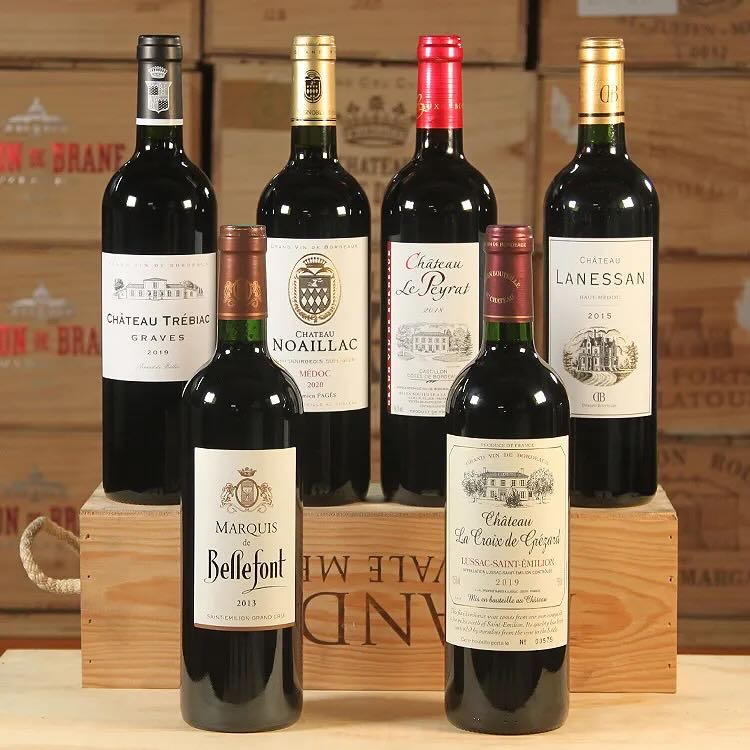
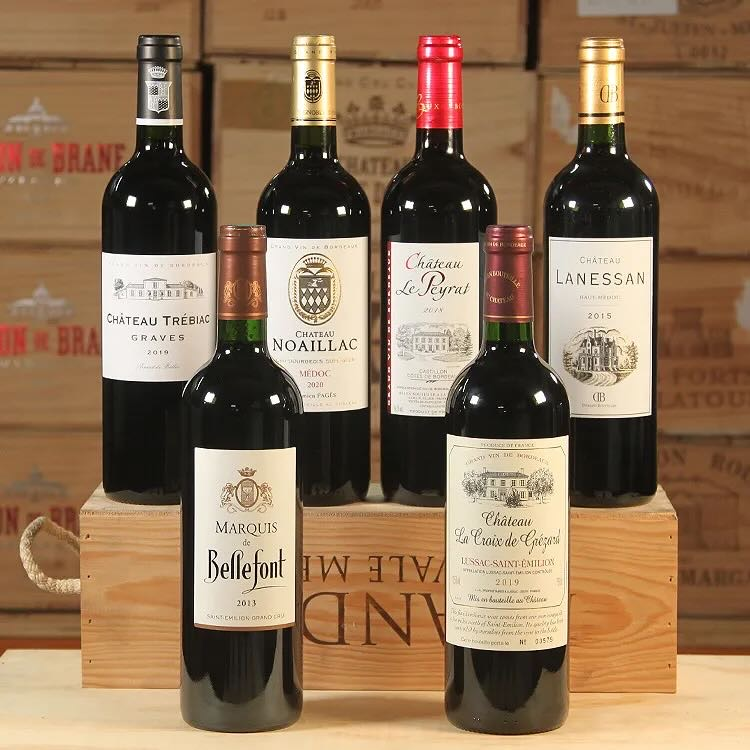
At the centre of this traditional rigidity is the Appellation d'Origine Contrôlée (AOC) system, a set of strict laws introduced in 1935 to protect the integrity of French viticulture. It strictly regulates geographic boundaries, permitted grape varieties, yields, and farming methods. It guarantees that a wine, like Champagne or Bordeaux, is authentic to its region. However, originally designed to resist fraud and ensure quality, the AOC turned France into a rigorously regulated map. While these rules successfully cemented France's global reputation for good standards, they also created a culture of conformity.
The AOC laws were very demanding, and they created a strict definition of what a specific wine like a Chablis would taste like. Because the AOC status was seen to be a certificate proving to be the very best, winemakers felt immense pressure to produce a perfectly consistent product every year to keep their 'brand name' alive. The only problem is that nature and conditions are not perfectly consistent. Some years are rainy, some are sunnier for example. Therefore, to ensure that they never failed the AOC requirements, farmers started using artificial chemicals as an insurance policy when making wine. The situation was particularly exacerbated in the period after World War II as the use of pesticides, herbicides and synthetic fertilisers increased dramatically due to the chemical industry having expanded. Even yeasts were being lab-grown. When the soil has been contaminated by chemicals and yeasts are factory-made, the wine stops tasting like the specific land it came from; this marks the start of the industrialisation of French winemaking.
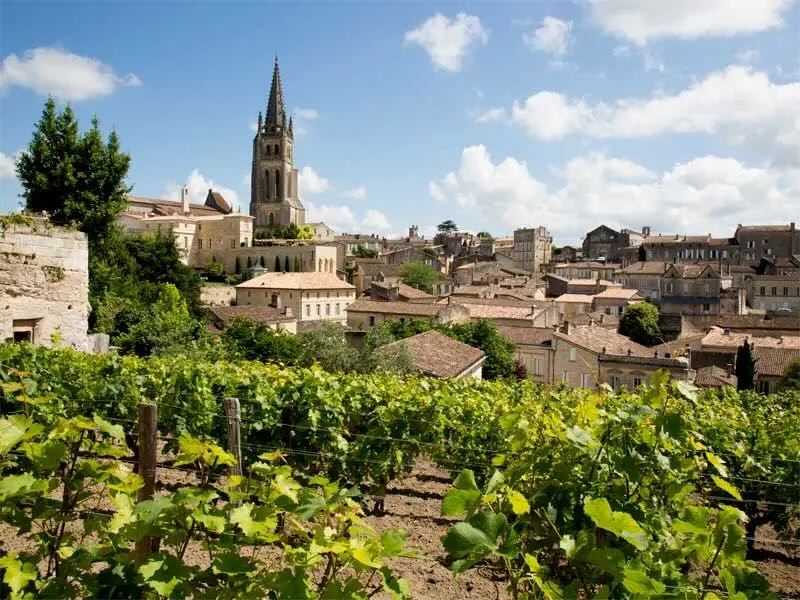
Since then, French wine experienced a serious decline. As pointed out by the famous agronomist Claude Bourguignon in the 1980s, "there is more life in the sands of the Sahara than in the soils of Burgundy."; this was the extent to which the terroir was destructed. In the Paris Wine Tasting of 1976, also known as the Judgement of Paris, we even see that French wine was no longer in reign of the field. In the contest, the best French Bordeaux and Burgundies were beaten by Californian wine. This shocked the world and proved that French wine was no longer at the very top. France was not just losing its soil; it was losing its identity and its global reputation.
These things made winemakers finally realise that they needed to change their ways; this formula was not working. So the deindustrialization begins. Many farmers started to intentionally drop out of the prestigious AOC system so they could have the freedom to farm without chemicals and can use native yeasts instead of lab-grown ones, allowing the specific taste of the terroir to be present again. They abandoned the synthetic sprays and returned to ancestral techniques, such as horse-drawn plows and applying herbal teas made of nettle and horsetail to strengthen the soil and vines naturally. This movement, often called biodynamics, follows the rhythm of nature instead of the rigid schedule of chemicals. So the 'biological deserts' of the 1980s started to bloom again.
The success of this rebirth is no longer just a local trend; it is a measurable global phenomenon that has restored France's crown. Today, France is a world leader in organic viticulture, with the land dedicated to eco-friendly vines tripling over the last decade to represent nearly 20% of the nation's total vineyards. The deindustrialisation of French wine has proved to be a success; that originality and speciality of this French identity has returned.