By Graham S'
Rebirth is often thought of as a dramatic transformation, but in linguistics it can be something more subtle and continuous. Languages never stay the same all the time: they evolve and adapt, renewing themselves in response to social and cultural changes. French, particularly, is a very interesting example of this. This is shown through slang, borrowed words from other languages, and adaptations based on the digital era. This is why the French language is such a good example of how a language can undergo a continuous rebirth while still having a strong sense of identity.
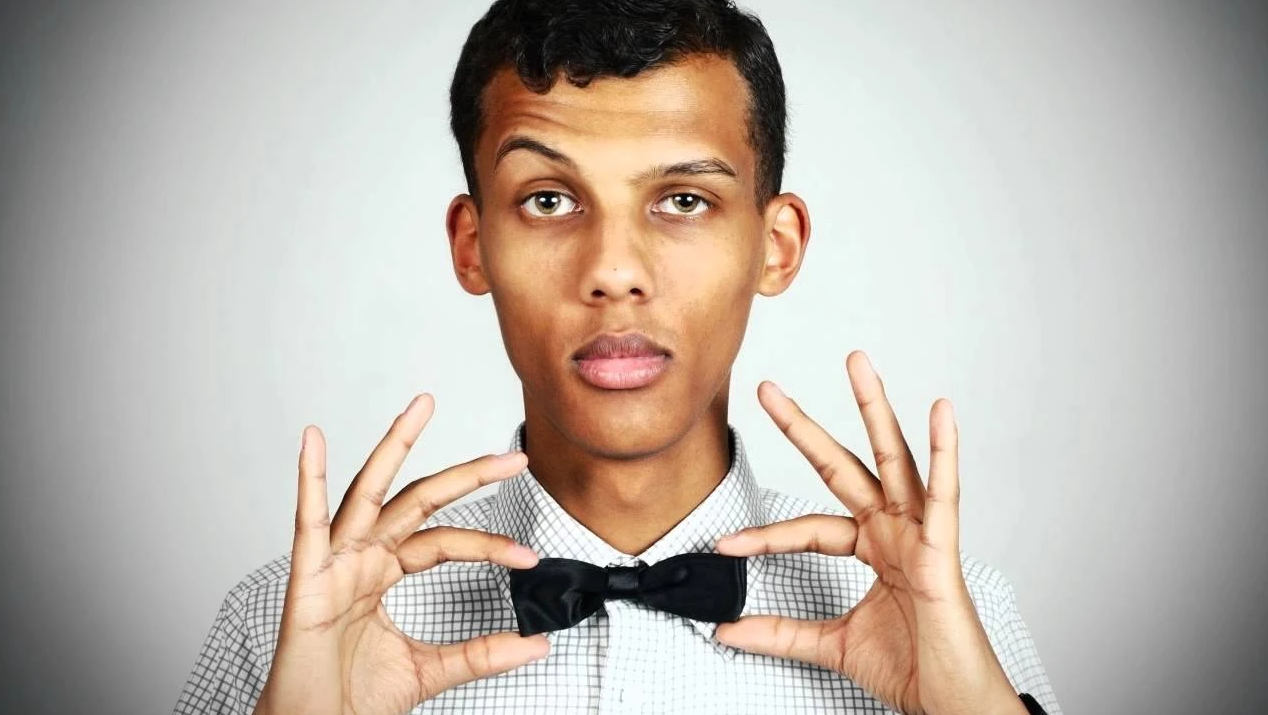
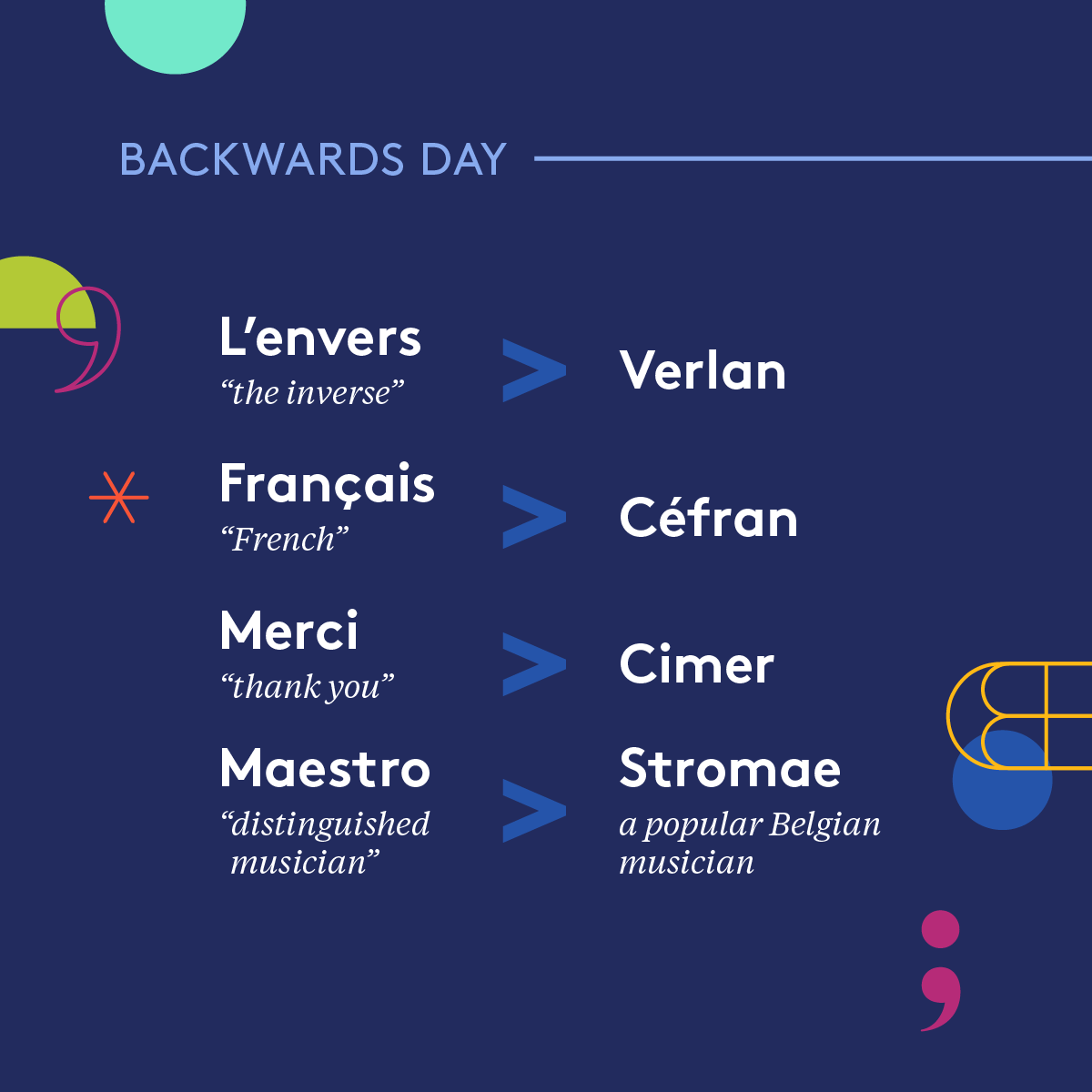
One of the most striking examples of rebirth in the French language is “verlan” which is a form of slang created by reversing the syllables of words. Examples of this are “femme” turning to “meuf”, and “lourd” into “relou”. Verlan, instead of inventing new vocabulary, transforms existing words into something new, fresh, and expressive. This slang is associated with youth culture, and can symbolise creativity and identity. Its cultural impact is best shown through French rap, which is rising rapidly in popularity. Artists such as Stromae, Booba and PNL incorporate Verlan into their lyrics. In fact, the name Stromae is Verlan for Maestro. Here in music, language is not just a form of communication, but also a way to show individuality and reshape meaning. Through Verlan, French is continuously born from within, and it reshapes how the French youth express themselves.
Another form of linguistic rebirth in French is shown from the influence of other languages, especially English. Modern French has taken up many borrowed terms such as le weekend, le streaming, and liker (to like on social media). While some view this as a threat to the French language, this is just the natural process of renewal. As the language includes words from other languages, it adapts to modern life and culture. This reflects a broader truth about languages: they survive not by resisting change, but embracing it. Despite efforts to resist this incorporation of English, these words have become a part of the language, as the speakers are the ones who ultimately shape the language.
Technology and social media have also adapted the French language, leading to more changes. As with English, French now has new forms of expression due to the rise in texting, like mdr – mort de rire – which is equivalent to lol, and many others. These new linguistic forms differ from traditional written French, showing technology’s participation in the constant renewal.
Overall, French is a strong example that languages are never static. Its constant transformation through verlan, cultural exchange and digital innovation shows that rebirth is not one single event but an ongoing process throughout time. These changes, rather than weakening the language, ensure the language’s vitality, by maintaining its relevance in an ever-changing world and continually reinventing itself for new generations.