By Alec W'
As of December 2023, Argentina was in freefall. Inflation at 300%, nearly 40% poverty rates and a Central Bank that couldn’t fund itself, let alone the country. In comes “un anarcocapitalista” (an anarcho-capitalist), armed with a bad hairdo and a chainsaw, to potentially fix a broken system. Aiming to privatise and slash state spending, he has somewhat succeeded, but at what human cost?
I will start with a deeper look into the nation Milei inherited. As already mentioned, poverty rates and inflation were sky-high. Not only that, but houses were also unavailable due to a collapse in the rental system, and the “caste” (political class) was seen to have failed its people. The previous president, Alberto Fernández, was printing more and more money to cover public spending, a deeply unpopular policy that caused extremely high inflation rates. This crisis of the whole system, and deep distrust of it, was arguably what got Milei elected.

Moving onward, phase one post-election victory entailed “una programa de shock” (shock therapy), involving the sacking of 52,000 public sector workers, and other immediate spending cuts. He halved the number of government industries, down from 18 to 9 in a huge showing of deregulation, and froze the printing of more pesos (Argentina’s currency). Due to the previously mentioned policy of the previous government of printing too much money, this freezing of the money supply was rather popular with the Argentine people. The scrapping of rent controls, loosened labour laws and privatisation of state enterprises were all policies giving added freedom to firms and workers, in an unprecedented free-market experiment. As a result, Argentina achieved its first budget surplus in 2024 of 0.3%, meaning government revenue exceeded government expenditure, for the first time in 16 years, a feat unthinkable just a dozen months before.
Aside from this landmark budget surplus, there are more signs Milei’s free-market experiment is working. Inflation per month has fallen from over 25% to 2%, due to a freeze in printing more money, and the economy is growing at 5% annually. Rental housing supply, after the scrapping of rent controls, has increased by 170%, meaning not only that Argentinians now have access to houses, but that they are cheaper to obtain, due to high supply. Confidence both socially and in the economy has increased substantially, prompting the signing of a free trade deal with the EU, resulting in more jobs for workers and significant pay rises, with the country now producing more goods because of this trade deal.

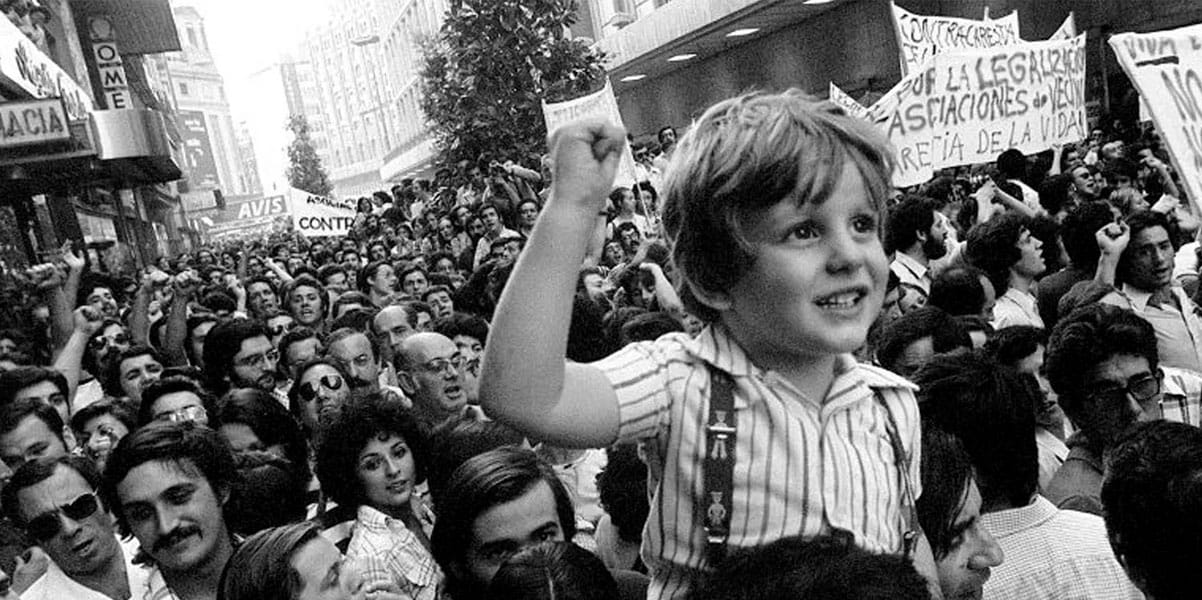
Undeniably however, the human cost of this “motosierra” (chainsaw plan) has been vast. Poverty rates rose by 10% in early 2024 but has since dropped. Falling wages, the slashing of pension schemes and soaring healthcare costs are all examples of failures of this radical rebirth of Argentina’s economy. Consumption has fallen 10% annually, with consumers eating significantly less beef, which is never a good sign for such a carnivorous country. Widespread protests have ensued from pensioners, teachers and doctors, due to what they see as an oversight of their needs to benefit businesses instead. There has clearly been an uneven recovery, with low-wage workers and public sector employees majorly lagging behind, and certainly aren’t seeing any benefit to such a radical form of capitalism.
I feel as though I should address controversies within Milei’s social policy. One must admit that his social policy has been defined by what he has removed, instead of what he has introduced. Welfare programs, as mentioned already, have been dismantled, and funds meant for specific regions within Argentina have been slashed by 70%. These cuts have been framed by Milei as a liberation of Argentinians from a so-called nanny-state, with “economic freedom…the way to reduce poverty in the long run”. However, critics have argued that the poorest have and will bear the brunt of such radical capitalism, and it’s hard to disagree with this assertion.
My conclusion is that the jury is still very much out with this experiment. Of course, there has been significant economic turnaround, with the statistics affirming this, but I question the long-term sustainability of this project. Will the Argentinians stand for growing inequality and a potential downturn in economic performance? I’m not so sure.