By William B'
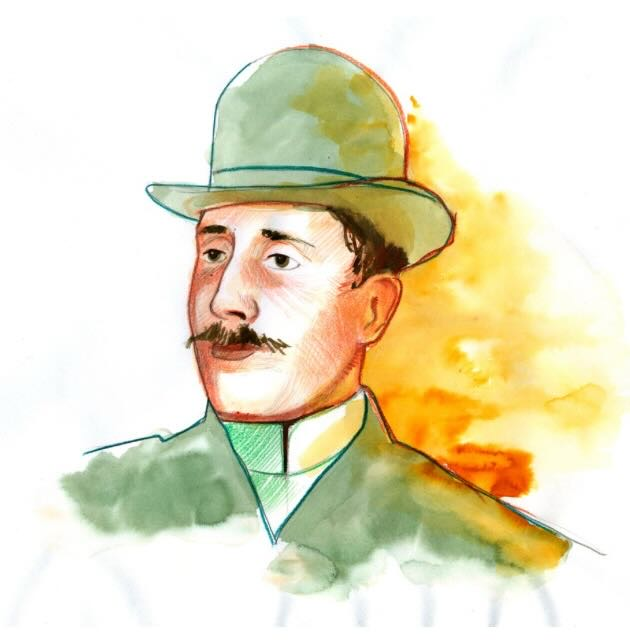
“As we were saying yesterday”, “Decíamos ayer”, were the famous words of a professor continuing his lecture in 1930, which he had started five years earlier, at the University of Salamanca. This was Miguel de Unamuno, a professor of Greek language and literature, but more importantly a magnanimous man who did not hold a grudge against the Spanish government, which had forced him to flee in 1924, following the establishment of the dictatorship of General Primo de Rivera with King Alfonso XIII’s help.
However, whilst Unamuno returned to his previous position as rector at the University of Salamanca in 1930, Spain as a country was rapidly changing around him. Within a year, Spain’s monarchy of nearly five hundred years was abolished as King Alfonso XIII fled the country after republican victories in the April 1931 elections signalled the start of the Second Republic and a chance to renew and reform Spain.
Or perhaps not, as it turned out. The lofty ideals of modernisation, reformation and equality sparked intense political backlash from the political right. Attempts made by the Prime Minister Manuel Azaña to reduce the power of the Catholic Church and promote regional autonomy only aggravated conservatives and deepened divisions between the political left and the right within Spain.
So how were these divisions resolved? Through violence, and extreme amounts of it. After the “two black years” of 1934-1935 where many reforms were halted by a more conservative government, the leftist Popular Front won the 1936 elections. By now nearly 3,000 politicians had lost their lives due to political unrest within just five years. The Spanish Civil War which followed would take the lives of over a million people.
In July 1936, nationalist generals led by Francisco Franco, who had vigorously opposed the rise of the left during the Second Republic, led an uprising in Spanish Morocco. Rapid and total success there allowed Franco to negotiate with Nazi Germany and Fascist Italy to provide planes so that his troops, around 20,000 in number, could bypass the naval blockade in the Straits of Gibraltar and join supporters in mainland Spain where they fought the Republican forces.
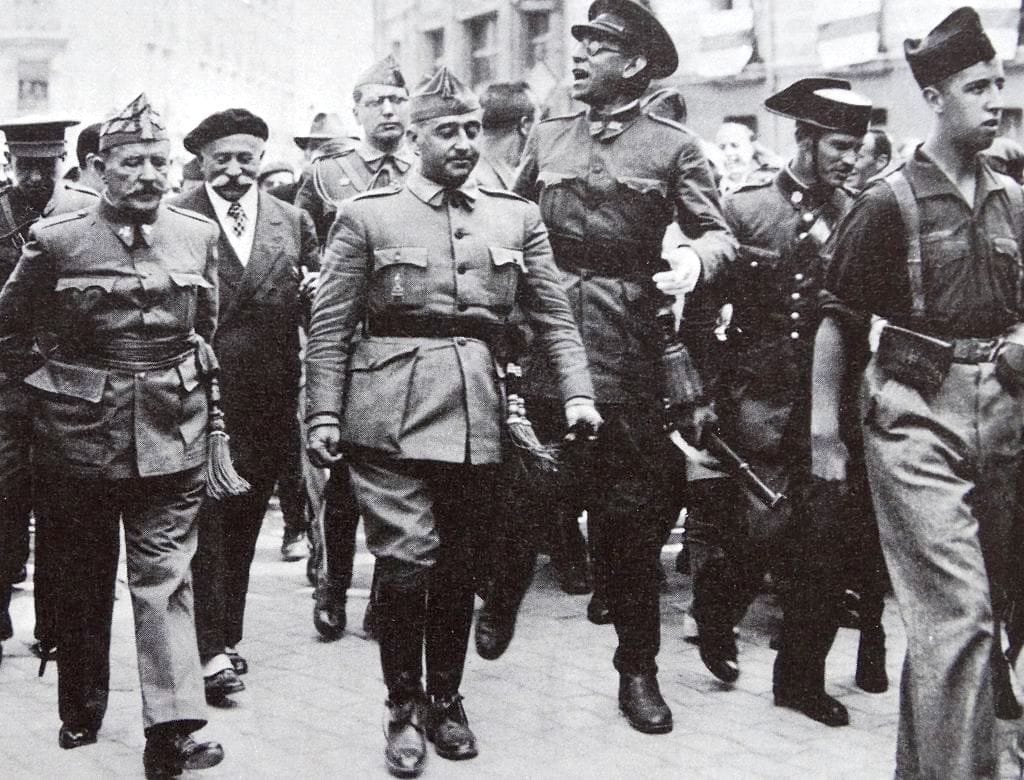
Whilst Franco’s early success did not continue, as his forces failed to capture key cities such as Barcelona and Madrid, he eventually was victorious after a three-year long civil war. The Nationalist forces captured Madrid in March 1939. The Republicans had been defeated and the Second Republic had failed. Dictatorship returned under Franco, only this time it lasted nearly forty years, not four.
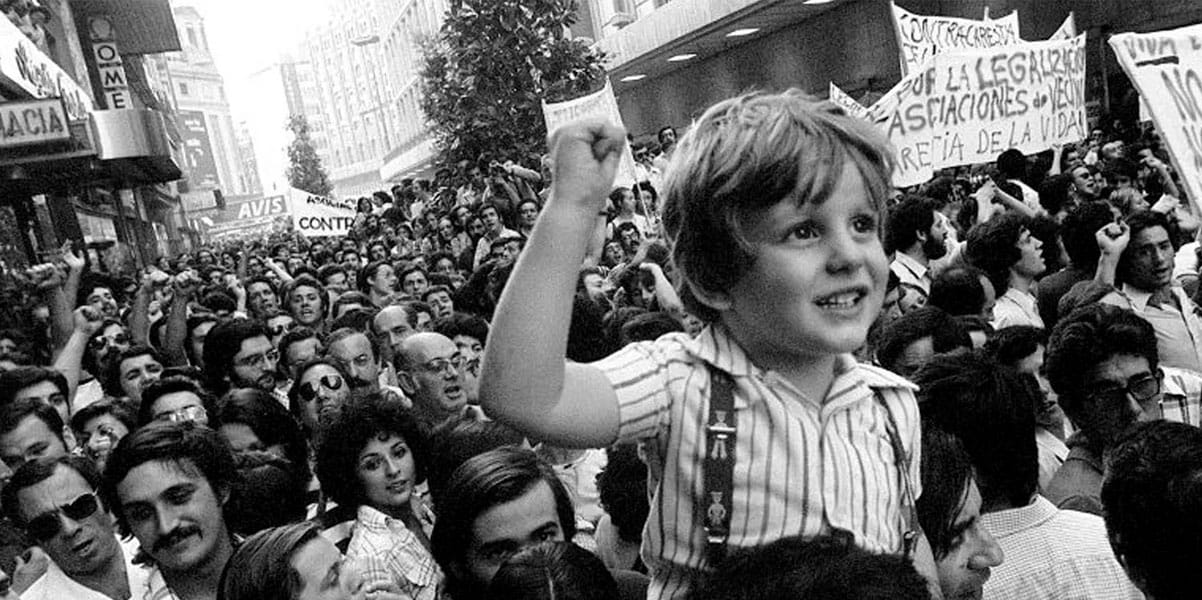
With this we return to Miguel de Unamuno who clashed with General Millán Astray, a Franco ally, at the University of Salamanca in October 1936. Unamuno said to the General, “You will win, because you have enough brute force. But you will not convince.” Although this confrontation led to his house arrest where the professor died later that year, Unamuno’s words rang true. Following Franco’s death in 1975, the monarchy returned to Spain and a new constitution focused on liberation and democracy was established in 1978.
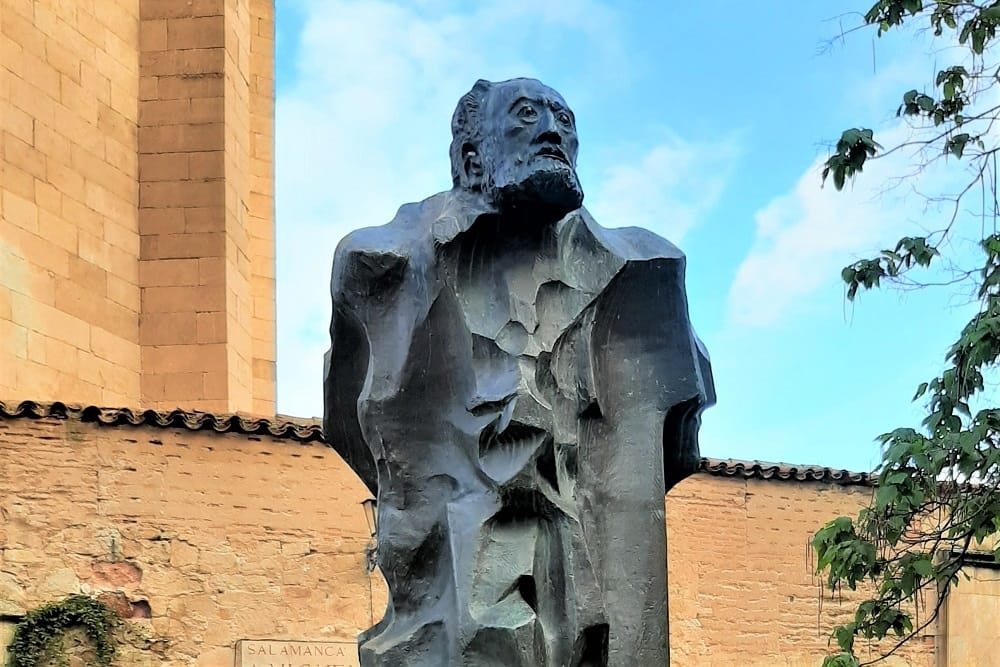
As Unamuno claimed, Franco and his dictatorship did not convince the Spanish people, but only postponed the profound and inevitable rebirth which Spain would undergo forty years after the professor’s death. Spain’s renewal, thus, is encapsulated by Unamuno’s statue outside the University of Salamanca. By contrast, the last statue of Franco was removed in 2021. The transition period following Franco’s death therefore completed what the Second Republic had started and allowed Spain to become one of the most liberal countries in the world today.