By Koichi S’
Imagine a cow in a quiet barn in rural Japan, listening to Beethoven while a farmer massages its back and pours it a glass of beer. To many this is a strange combination, but they would still see this treatment as rather luxurious, maybe something you would get in a high-end hotel’s spa. To some, however, this is the minimum effort needed to raise Japanese wagyu, a meat so luxurious that even a single steak can cost more than a family's weekly food shop. Although this celebrity-like, ritualistic treatment of cows sounds ridiculous, the idea is not completely made up; in 2001, scientists at the University of Leicester found that cows produced more milk when they listened to slow music. However, even the official Kobe beef association admits that music has never been proven to make the meat any better. So if it is not Beethoven, what actually makes 和牛 (wagyū), which literally just means "Japanese cattle", one of the most expensive meats in the world? In this article, I will argue that the real answer is far less glamorous: centuries of history, an extremely costly way of farming, and a country that guards its cattle as if they were state secrets.
But how much truth is there in these myths? Let us start with the most famous claim: the classical music. In 2023, a University of Pretoria study found that dairy cows that heard classical music around the clock had the lowest levels of stress hormones in their dung; a lower stress rate could perhaps lead to a bigger appetite hence growth, something crucial when attempting to achieve the A5, highest quality wagyu’s marbling. Furthermore, The Kobe Beef association says that cattle who hear music at feeding time learn to link it with food, which may encourage them to eat more. Though these hypotheses could in fact be true, the Kobe Beef association itself says music has not been proven to improve meat quality, whilst many studies like that of University of Pretoria measure milk yield from dairy cows instead of meat quality, so the extent of classical music’s effects is limited. Another supposed secret behind wagyu's luxury taste is feeding the cattle beer. The tradition is mostly associated with Matsusaka beef farmers in Mie Prefecture, where one cow may drink roughly one large bottle of beer (about 633ml) a day. However it is only given during the final fattening stage of the cow’s life or during the hot summer months when the animal loses its appetite, and combined with the fact that most wagyu farmers do not use this method and that there’s little scientific evidence that beer improves marbling or meat quality, the famous myth is neither a standard practice nor an effective one. So if it is neither Beethoven nor beer, what is it that makes wagyu so expensive?
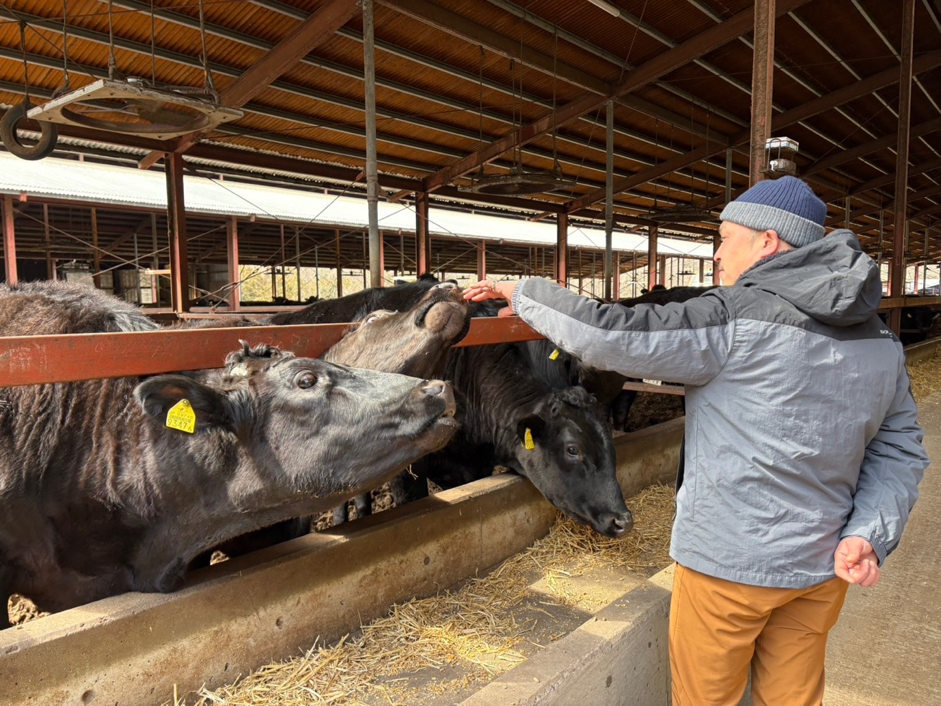
One reason for wagyu’s high prices is rooted in its history. In 675 AD Emperor Tenmu banned eating cattle, largely because of Buddhism ideology, and the ban was only lifted in 1872, partly as Emperor Meiji wanted to better socialise with foreigners. Unlike in Britain where beef was an everyday food, in Japan it began as something elite and Western, which is why beef, and wagyu in particular, has kept its luxury image ever since. Another historical reason possibly explaining high costs is Japan’s opening of beef imports. After Japan opened its market to imported beef in 1991, Japanese farmers couldn’t compete with cheaper American and Australian beef. Therefore, Japanese farmers focused harder on marbling to make their beef different and stand out; in other words, wagyu is expensive partly because Japan made it expensive.

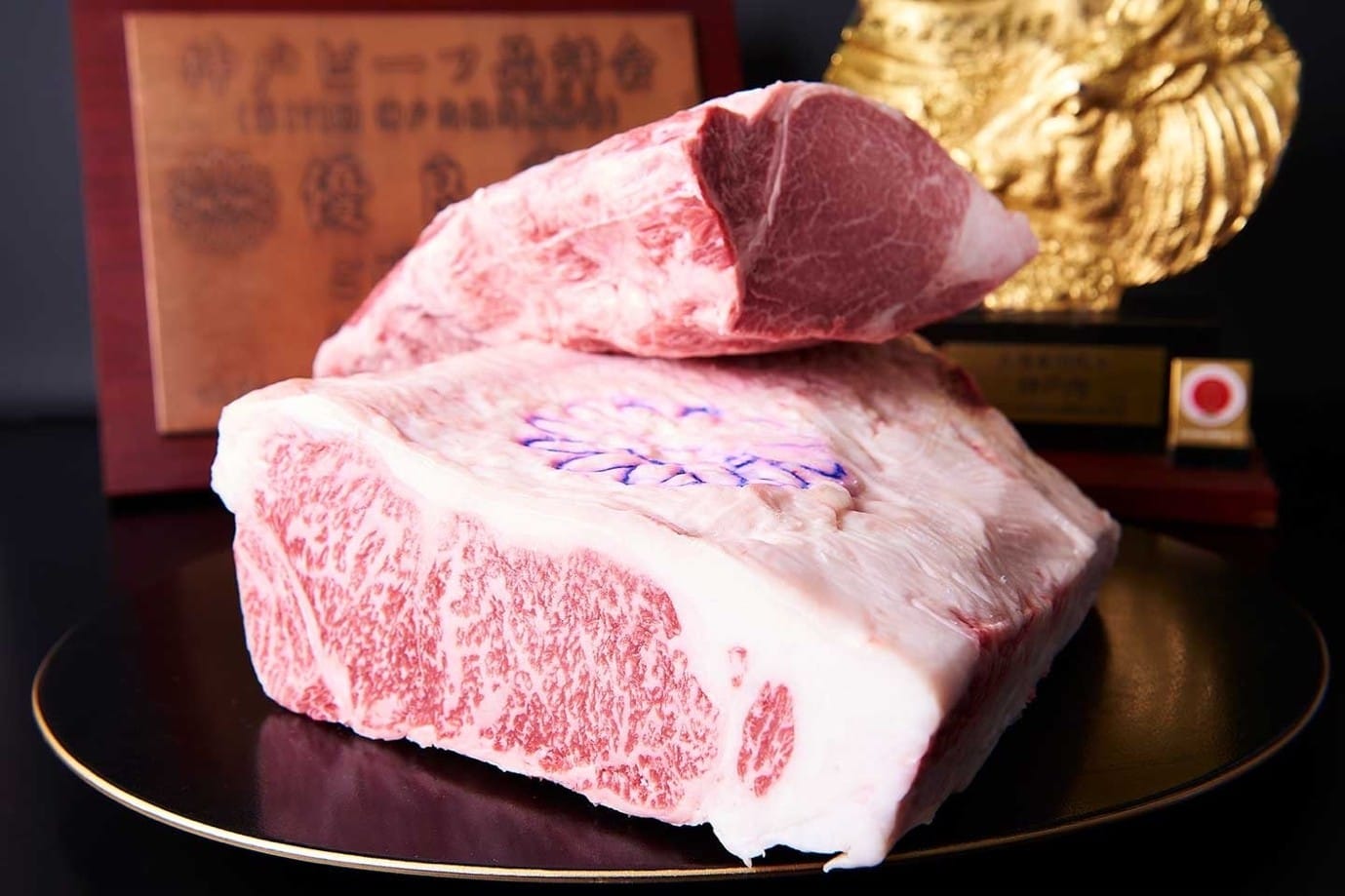
Perhaps an even more direct reason for wagyu’s high prices is its economics; it takes a very long time and requires a lot of costly feed. In Japan, every carcass is graded by the Japan Meat Grading Association, and the famous "A5" label means two things: "A" for the highest yield of usable meat, and "5" for the top quality grade, which requires a marbling score of at least 8 out of 12. As the highest grades earn the highest prices, farmers are pushed to chase maximum marbling, which takes a long time. Japanese Black cattle often live to about 30 months before slaughter, much longer than Western beef cattle, which are usually slaughtered at 18 to 24 months; this long fattening period significantly raises feed costs and slows down how many cattle a farm can sell, leading to higher prices. Moreover, the feed is often imported; Japan depends heavily on feed from other countries to contribute to the cow’s fattening process, and so a weak yen has further raised prices. Finally, wagyu’s high cost is largely also due to the Japanese government policy regarding wagyu. Although wagyu has been raised in the past in other countries like the US and Australia, a 2020 law banned all unauthorised trade and export of wagyu embryos and semen; by banning the export of its genetics, Japan has stopped other countries from producing the real thing, so authentic Japanese wagyu stays rare and expensive.
Ultimately, wagyu is not expensive because its cattle are pampered with music, beer or massages, but because history, a grading system that rewards fat, years of costly imported feed and strict export laws have made it rare by design; the cows may still be listening to Beethoven, but the price was never about the music.