By Danial S'
Swahili. An alien language to 7.83 billion people, very probably including you. But I bet you already know some Swahili without even trying. If you had a proper childhood, you would have seen The Lion King. What you probably didn’t know is that Swahili is everywhere in that film! Here’s a list of just a few examples…
Simba = lion
Rafiki (the bird) = friend
Pumbaa (the warthog) = foolish
And possibly the most famous example… Hakuna Matata, which actually does mean “no worries” or “no troubles”.
No wonder, then, that Swahili, also known as Kiswahili, is one of the most widely spoken languages in Africa, boasting 150–170 million speakers across Eastern and Central Africa. Swahili bridges ethnic groups, uniting people across Kenya, the Democratic Republic of Congo, Uganda and (my personal favourite, with no bias of course) Tanzania. Its influence extends beyond the realm of a mere language, embodying a wonderful variety of cultural heritage shaped by centuries of European, Arabic, Persian and Indian influences. The story of the origins, significance and enduring impact of the Swahili language and culture is fascinating, to say the least.
Swahili’s Origin Story
Unfortunately for all you comic-book fans, Swahili doesn’t have quite as exciting an origin story as Superman or Hulk, but its humble beginnings were along the East African coast, an area historically known as the Swahili Coast — hence the name — which stretches from Somalia down to Mozambique (roughly 3,000 km!) and includes islands like Zanzibar and Pemba. A long, long time ago, in a continent far, far away, this was where people would meet to trade and socialise, visited by merchants from Arabia, India and Persia, who I don’t think were much interested in the language at the time. This cultural exchange enriched Swahili, which originally emerged as a pidgin language (a simplified means of communication to facilitate trade between diverse groups).
Initially, Swahili took elements from Arabic, as well as Bantu languages spoken by indigenous communities along the coast. Over time, the language developed its own grammar and syntax, evolving into a fully fledged language which now has millions of speakers. Arabic became especially significant with the spread of Islam, and early Swahili was actually written in Arabic script before adopting the Latin alphabet in the 19th and 20th centuries. Today, Swahili retains many Arabic and European loanwords. It is estimated that 15% of loanwords are from Arabic, 4.6% from English and 1% from Portuguese.
The Spread of Swahili in Africa
The expansion of Swahili from the coastal areas to Central Africa was driven largely by, you guessed it, trade. Swahili-speaking merchants ventured inland, establishing trading posts and spreading the language as they interacted with local communities. Over time, Swahili became the language of trade, enabling people from various backgrounds to communicate and conduct business. The spread of Swahili was also strengthened by the arrival of European powers in the late 19th century. Colonial authorities in British East Africa (now Kenya, Uganda and Tanzania) promoted, surprisingly, Swahili as a common language for communication between ethnic groups.
Today, Swahili extends across national borders, and it is an official language in Kenya, Tanzania, Uganda and Rwanda, as well as a recognised language in countries like the Democratic Republic of Congo and Mozambique. The African Union has also designated Swahili as one of its official languages, acknowledging its role in uniting people across the continent. The language is taught in many schools and universities around the world, from Africa to Europe and the Americas, as interest in African studies grows and recognition of Swahili’s significance increases.
The Significance of Swahili
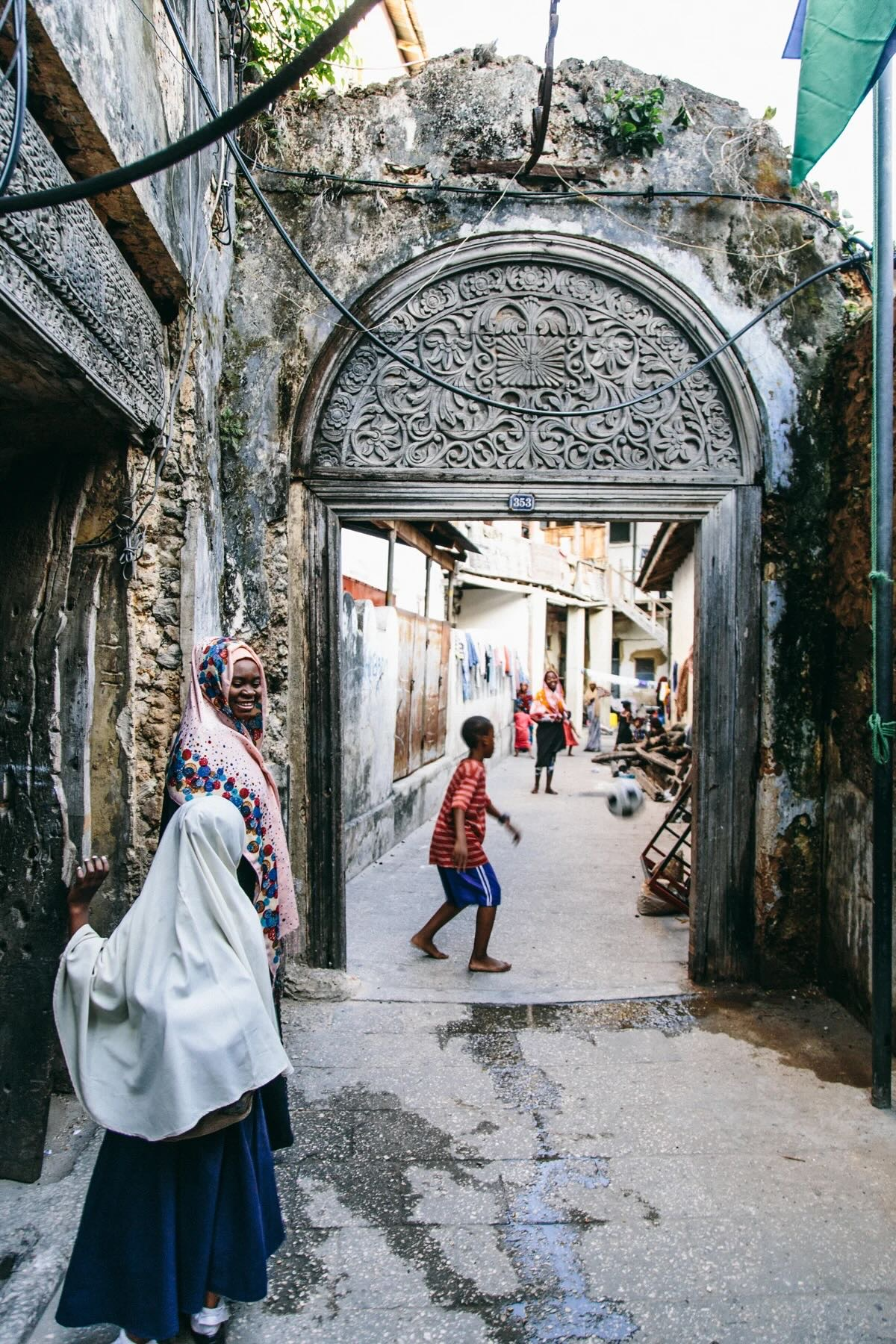
Swahili is much more than a language; it is the heart of a culture that encompasses art, music, dance, cuisine and religion. Swahili culture is most associated with the coastal regions of Kenya and Tanzania, where historic towns such as Mombasa, Lamu and Zanzibar have preserved centuries of tradition, beautiful architecture and ways of life that reflect their fantastic history.
Architecture
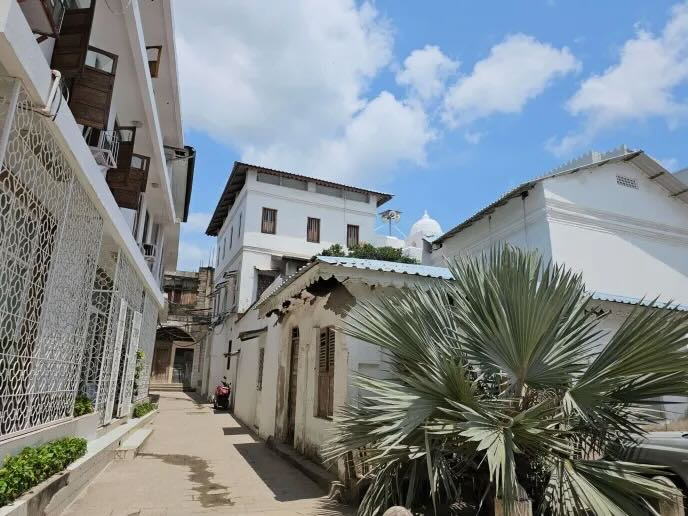
Swahili architecture is one of its most visually stunning elements, particularly along the Swahili Coast. Towns and islands such as Lamu, Pate and Zanzibar are known for their buildings made of coral stone (a natural rock made of coral and other reef life), elaborately carved wooden doors and winding alleys that reflect a mix of African and Arab designs. These towns often feature structures built with coral stone and limestone, materials suited to the coastal climate, and many buildings have carved wooden balconies that showcase intricate artistry. The historical architecture of the Swahili Coast has even earned places like Lamu Old Town and Zanzibar’s Stone Town status as UNESCO World Heritage Sites.
Music and Dance
Music and dance play an essential role in Swahili culture, as they do in any culture around the world, with one of the most popular musical genres being Taarab. This genre blends African rhythms with Arabic melodies and is often accompanied by large orchestras featuring drums, violins, ouds and qanuns. Taarab performances are lively events, with dancers moving to the beat and singers delivering poetic lyrics that often touch on themes of love and betrayal. It seems we’ve found where Shakespeare got his inspiration from…
Another important form of music and dance in Swahili culture is Ngoma, a traditional drum-based performance that varies from region to region. In many Swahili-speaking communities, Ngoma performances mark significant events such as weddings, births and harvest celebrations. These performances often involve elaborate costumes, body paint and synchronised dancing, and tend to be much more informal than Taarab.
Cuisine
Swahili cuisine is a fusion of truly delicious, sumptuous flavours that even Gordon Ramsay would be proud of. Rice is a staple in Swahili meals — nothing new — but is often served with sauces made from coconut milk, tomatoes and a variety of spices like cardamom, cinnamon and cloves. Dishes like pilau (spiced rice with meat) and biryani (a rice dish, the recipe for which the early Swahili people may or may not have stolen from the Indians) are common in Swahili cuisine and are often served during celebrations and festivals. Another dish is ugali, a cornmeal porridge that is a staple throughout East Africa. Coastal Swahili communities also delight in fresh seafood such as prawns, fish and octopus, cooked in styles that reflect both African and Arabic cuisine — both styles which Gordon doesn’t like to admit he knows nothing about.
Swahili tea, known as chai ya tangawizi, is a beloved beverage in the region, often flavoured with ginger, cloves and other spices. This tea is not only a treat but also a symbol of hospitality; serving tea to guests is an important aspect of Swahili culture, reflecting the values of community and respect.
Some popular snacks in Swahili countries, particularly Tanzania, are urojo soup, often called mix (a flour-based soup containing potato and chickpeas), macai (grilled sweetcorn with chilli salt and lemon juice), mishkaki (basically a kebab) and my favourite drink: Stoney Tangawizi (a ginger beer-like soft drink). These are mainly eaten around the coastal areas, with mix being especially popular in Zanzibar. One of the more unusual snacks I’ve had in Tanzania is nundu — a kebab not with meat, but with cubes of fat that you grill. It sounds weird, and that’s because it is. I really can’t eat more than two before starting to feel a bit funny. Still good, though.
Swahili in Religion and Education
Swahili culture is deeply intertwined with Islam, which was introduced to the Swahili Coast by Arab traders around the 8th century. Islam remains the dominant religion among many Swahili-speaking communities, and it shapes many aspects of daily life, from dress codes to religious practices. Swahili mosques, often simple yet beautiful structures, serve as places of worship and social gathering, where communities come together to pray, celebrate and discuss local issues.
Education is another important aspect of Swahili culture, and Swahili is widely used as a medium of instruction in primary schools, especially in Tanzania and Kenya. This has helped to preserve the language and pass it down to younger generations. In recent years, Swahili literature has flourished, with writers and poets using the language to explore themes of identity, history and social change. Books, poems and plays written in Swahili are celebrated not only in East Africa but also internationally, as they provide insight into African perspectives and experiences.
Swahili as African Unity
In modern Africa, Swahili is increasingly recognised as a symbol of unity and African identity. As a lingua franca — a bridge language — it enables communication among people from different linguistic and ethnic backgrounds, fostering mutual understanding and cooperation. The African Union’s decision to adopt Swahili as one of its official languages reflects the language’s potential to bring Africans together, transcending borders and promoting a shared African identity.