By Tilewa A'
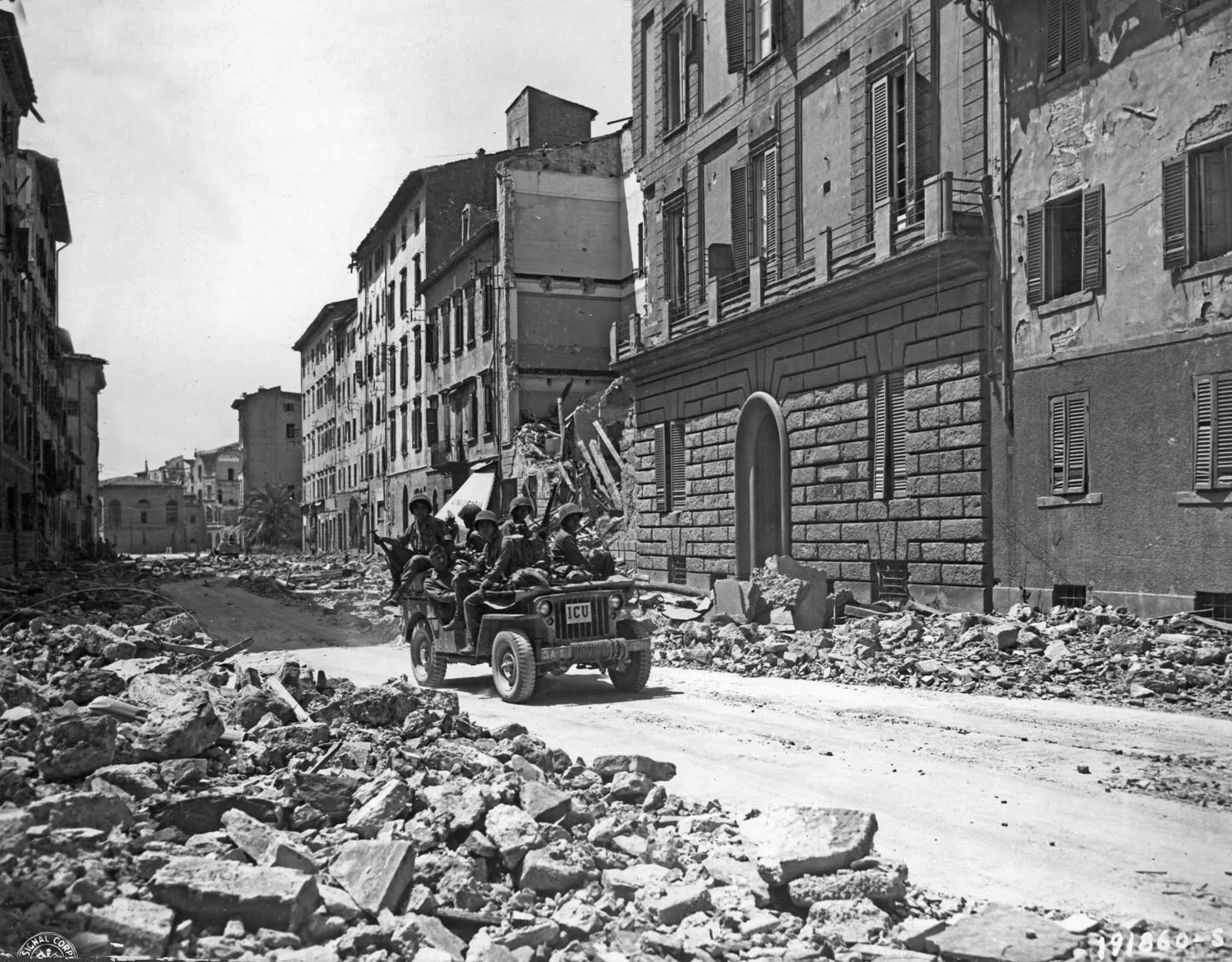
Having been on the losing side of World War II, Italy was plunged into ruin. In the wake of all the destruction was widespread famine, severe unemployment and homelessness, along with a great rift between the communist north and the conservative, Catholic south. They had to start from ground zero: rebuilding their economy, their infrastructure and, above all, their reputation with the rest of the world.
One year after the war, in 1946, Italy made its first steps towards change by voting to abolish the monarchy, and the Christian Democratic Party came to power. The king at the time, Victor Emmanuel III, had supported Mussolini and his fascist regime, so this decision was a great indicator that Italy was cutting ties with that era and leaving the past behind. Furthermore, for the first time, women were given the right to vote which, for a deeply Catholic and patriarchal country, was quite shocking. Yet despite this democratic success, political instability still remained due to strong opposition from the Communist Party — opposition so fierce that between 1945 and 1990, Italy had over 50 governments!
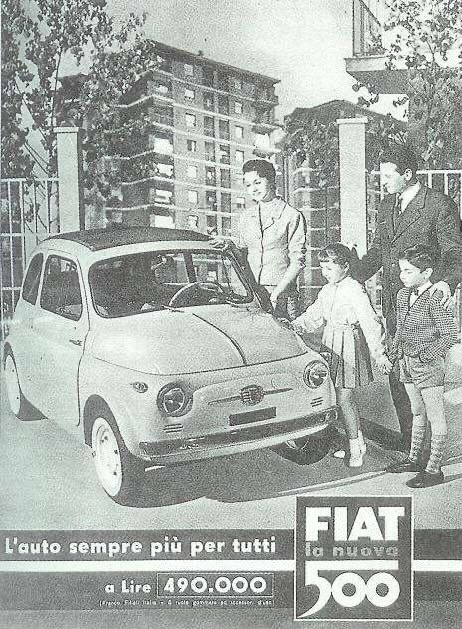
However, despite the political tension, Italy still managed to thrive economically. The 1950s and 60s were dubbed “il miracolo economico”, where Italy’s GDP grew at around 6% per year, one of the fastest rates in the world. Business was booming and, throughout Italy, household incomes and employment rates were rising, so living standards did as well. Companies such as Fiat became globally renowned, with car ownership in Italy skyrocketing from 342,000 to nearly 5 million in just fifteen years. Olivetti, through its innovative typewriter and early computer designs, became a symbol of Italian elegance and ingenuity. Finally, in 1957, Italy and five other European nations founded the European Economic Community (EEC), signing the Treaty of Rome. This would later become the European Union. For Italy, this meant that they were no longer a sidelined nation but a respected, equal partner in rebuilding Europe.
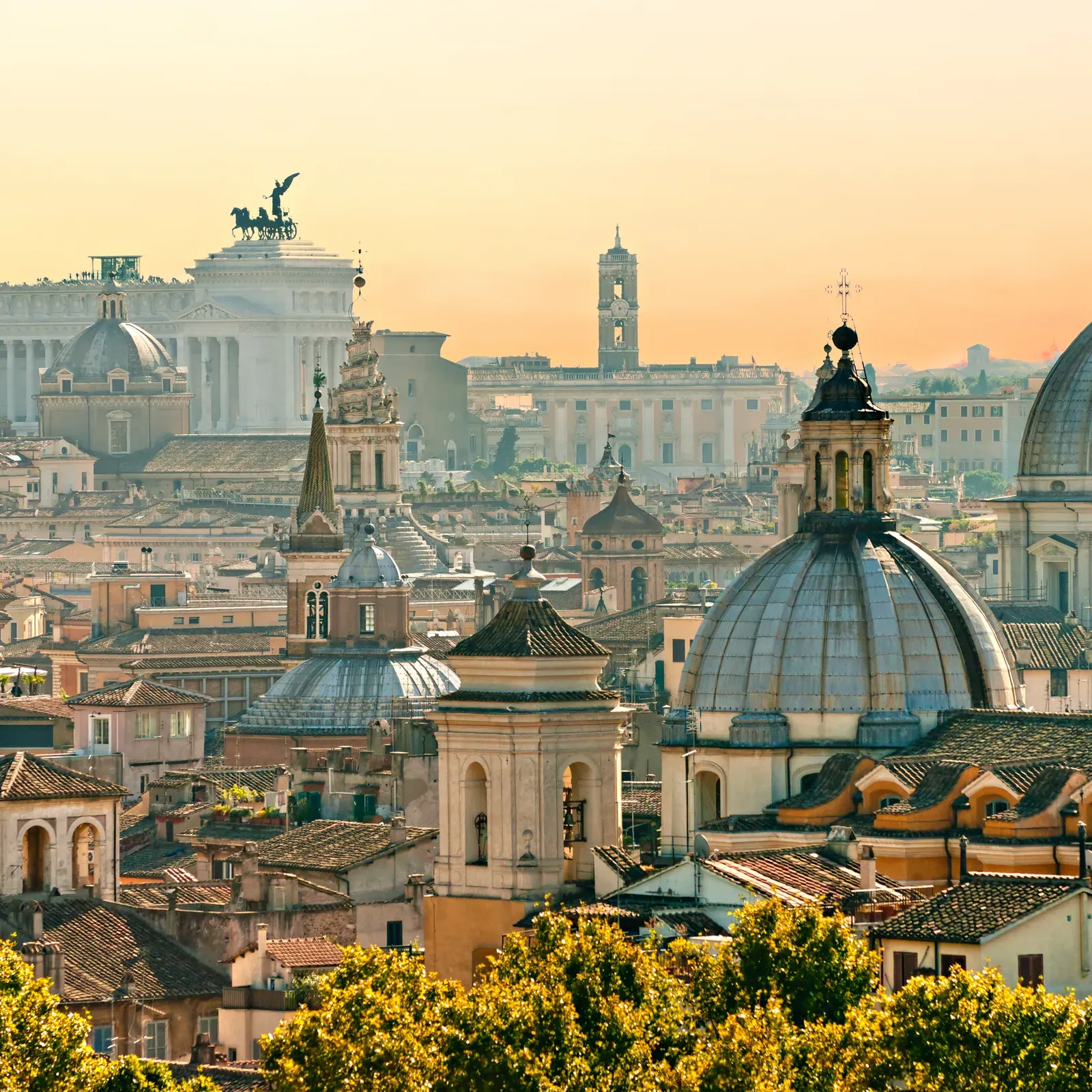
Lastly, but probably the most remarkable aspect of Italy’s comeback was its cultural explosion. What seemed like overnight, Milan became one of the four fashion capitals of the world alongside Paris, New York and London. Brands like Gucci and Prada rose to global prominence and dominated international markets, cementing Italy’s association with luxury and class. On the other side of the spectrum, cinema was also experiencing a breakthrough. Directors such as Federico Fellini and Roberto Rossellini revolutionised cinema through neorealism, portraying the realities of everyday life while Hollywood often focused on fantasies. Fellini’s La Dolce Vita was a global sensation, depicting the glamorous, sophisticated life of Rome in the late 1950s. The phrase “La Dolce Vita” (the sweet life) was adopted worldwide as a term for Italian elegance.
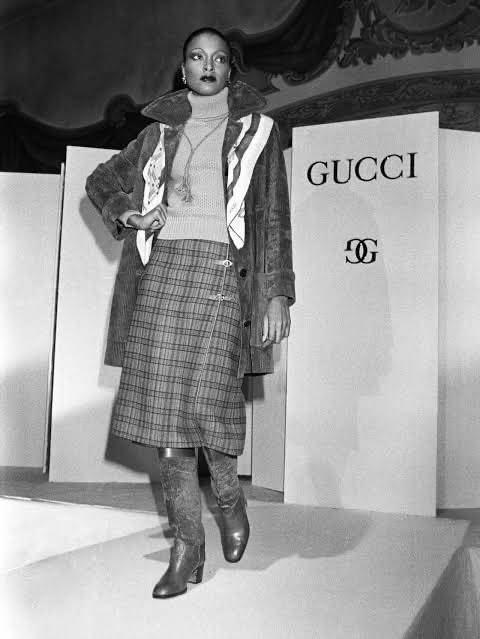
Italy quite literally rose from the ashes and managed to broadcast a new image of itself — glamorous and stylish — replacing the previous one of a defeated fascist state. They didn’t wait for forgiveness, but rebuilt their identity so completely that the world had to take notice.
.